

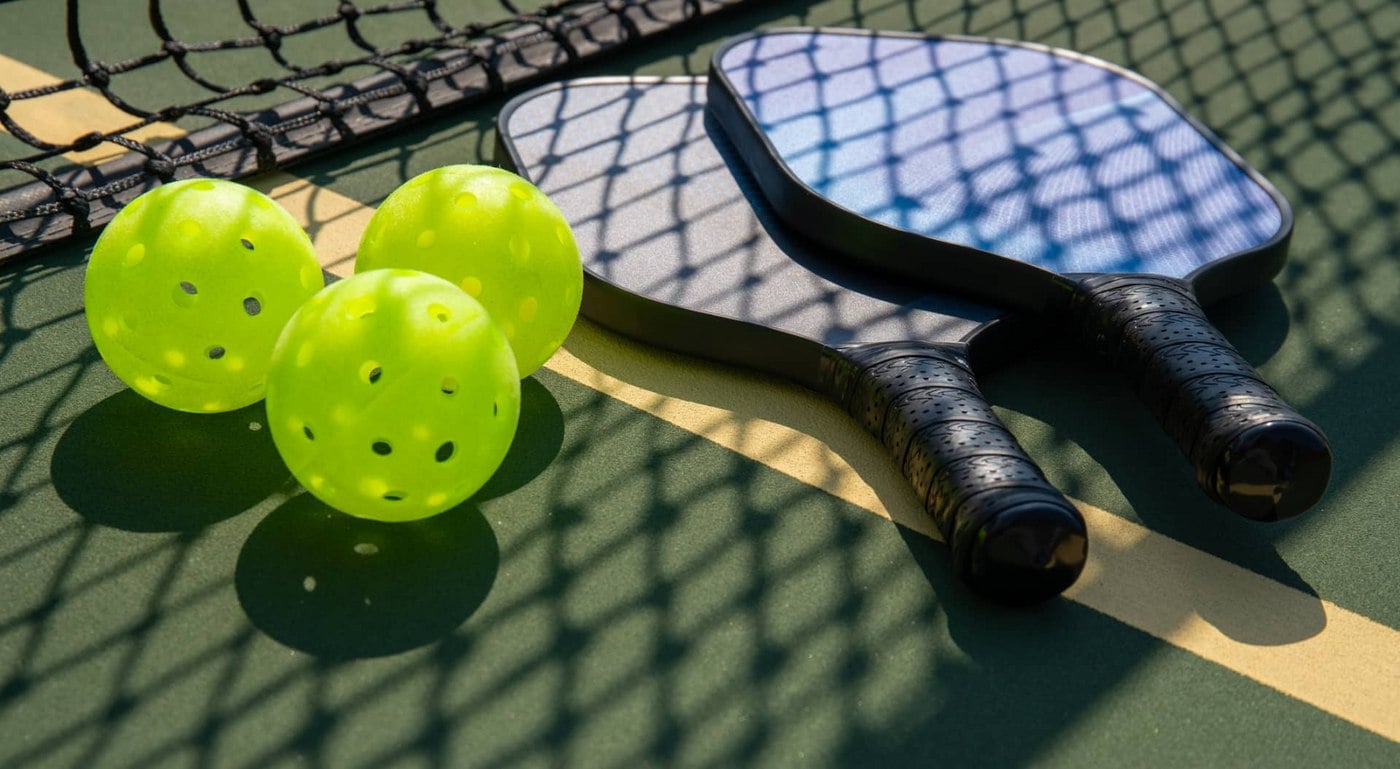
Pickleball is a sport that is easy to learn and accessible to almost everyone. It requires little equipment except a paddle, balls, and a decent pair of court shoes.
The first manufactured pickleball paddles were originally made from plywood and constructed in the designer’s basement. Technology has made leaps and bounds since then, and the paddle options are endless!
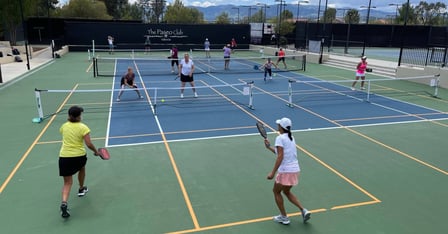
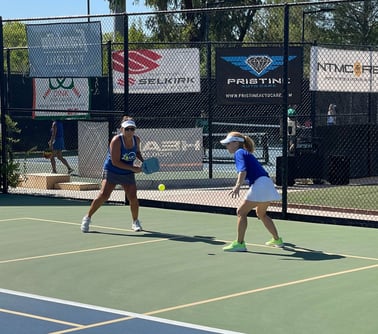
The Paseo Club in the Santa Clarita Valley has 11 pickleball courts and a full-service pickleball department with pro instructors, leagues, and seasonal tournaments.
In this article, you will learn everything you need to know to purchase the perfect pickleball paddle for you!
 7 Pickleball Paddle Considerations
1. What’s your focus?
When you are researching pickleball paddles, begin by considering your priorities. Paddles are designed with different attributes in mind — spin, control, or power.
-
Paddles that emphasize power are constructed heavier and longer.
-
Players who want more control can purchase lighter-weight and wider paddles.
-
Paddles created for spin have a more textured surface for better friction and rotation.
2. What’s your budget?
Depending on how often you play and what type of player you are, the quality of the paddle you purchase can vary widely. Competitive players often choose high-end paddles and replace them every three to six months. People who play recreationally can keep a paddle for up to three years. Basic paddles are as low as $20, and the high-priced models are $250-300.
Ultimately, select the best-quality paddle you can afford. It will last longer and function better than the cheaper models.
 3. What weight feels best?
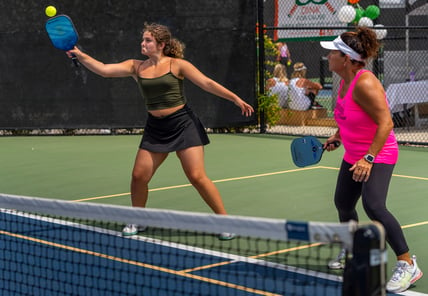
One of the many details for you to consider when shopping for pickleball paddles is weight. There are three categories: light, medium, and heavyweight paddles. Medium, weighing between 7.3 and 9.2 ounces, is the most common — especially for beginners. However, as you become a more experienced player, you may find you like a lighter paddle because they are so great for net play and reaction shots. Alternatively, the heft of a heavy paddle might speak to you because of its power.
4. What paddle shape is best?
Paddles can be no longer than 17” — 24” in total when you include the handle. The typical paddle is squarish and is usually 16” or slightly less. They are great for beginners, but even some pros prefer them for their speed. The hybrid paddle is a little bit longer and is growing in popularity for its balance of speed and power. The elongated paddle is over 16.5” and is the paddle of choice for those who want to focus on power and reach. They tend to be well-liked by tennis players.
 5. What thickness do you like?
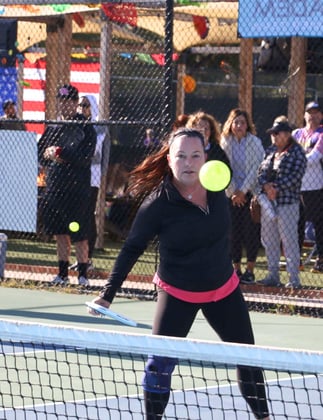
The paddle thickness is another feature to assess. Paddle thickness is measured in millimeters. Twelve to fourteen millimeters is the most common, but there are lighter and heavier options. Thinner paddles offer more power and are a great option for players who love a quick-moving game. A thicker paddle does not offer the same power, but it can help with rebounds, drop shots, and resets, giving you more control overall. They also tend to have a larger “sweet spot.”
6. What’s your material preference?
The first pickleball paddles were handmade from wood. Yet, with the sport’s growth, the paddle materials have diversified extensively. Just to make it more confusing, the center of the paddle is often different from the surface material. There are several options to choose from, each with its unique advantages and drawbacks.
The options are so vast that there are entire articles dedicated just to paddles!
Surfaces
-
Graphite - light and thin, moderately powerful, good for finesse play
-
Carbon Fiber - similar to graphite, but more durable; good for precision and consistency
-
Fiberglass - one of the most powerful paddles, a smaller sweet spot means not the best for beginners
-
Hybrid - some paddles combine materials to get the best of both worlds
Cores
-
Polymer - the most common material; choose varying densities for customization
-
Nomex - strong material; powerful and lightweight
-
Aluminum - uncommon, low power, better for control
7. What length of handle do you want?
One of many factors to consider is the handle. This is another nuanced detail that can really affect your experience. Like the standard-shaped paddle, standard handle lengths are most common and work for the majority of people.
However, some players prefer shorter handles for better one-handed backhands and improved maneuverability. Longer “extended” handles are great for players who use the two-handed backhand and want more leverage for power.
 Demo the paddle first
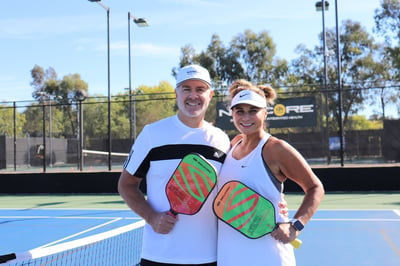
If you do not want to make a spreadsheet examining, and re-examining all the pickleball paddle configurations, go to a pro shop and demo them. There is nothing like trialing a paddle out in real time to see which one is best for you. Check the grip, size, weight, and maneuverability to see which one has the right feel.
The Paseo Club has its own pro shop, First Serve, on-site. Discover the wide selection of paddles, featuring the premium brand, Selkirk.
Once you get your new paddle, come to the pickleball courts and check out the fun! There is reserved and drop-in play, drills for players of all levels, and leagues for friendly competitive play. The club often hosts round robin tournaments, too!
Schedule a tour and see the courts, pickleball porch, fitness center, and executive locker rooms. If you are ready to join today, simply sign up online, and you will receive instant access to all eight acres of the club.
The Paseo Club is the place for all of your pickleball needs and your home away from home!
Topics:
