

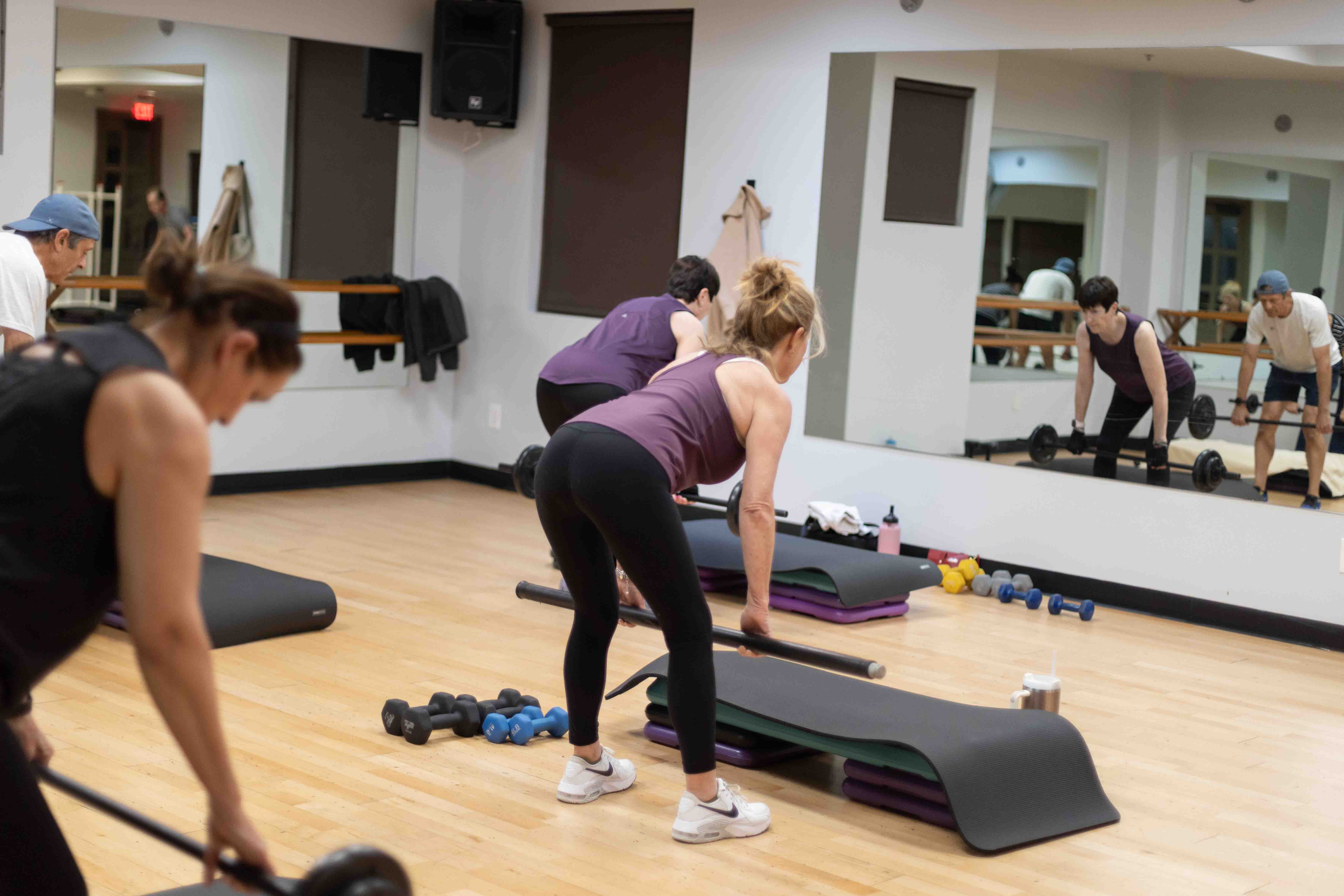
The fitness industry is a multi-billion-dollar business. Unfortunately, many fitness hacks are simply passing trends that are not grounded in science or facts. Fads can inspire people to get active, but the majority of them are just gimmicks that do not get you results.
There are three tried-and-true pillars of fitness training — cardio, mobility, and strength. Cardio exercises increase your heart rate, such as jogging, rowing, cycling, jump roping, and tennis. Mobility work is movements that improve range of motion and flexibility, including yoga and Pilates. Lastly, strength training helps you build muscle and burn fat.
The Paseo Club of Santa Clarita has been the leader in fitness and well-being for over twenty years. Our certified instructors can help you learn everything you need to know about fitness and strength training.
In this article, you will learn what strength training is, its benefits, some common myths, and tips beginners should know.
 What is Strength Training?
Strength training is a term that gets used quite a bit, but the definition is not always clear.
According to the Cleveland Clinic, strength training is ”a type of exercise where your muscles work against some form of resistance. The activity ‘loads’ muscles by forcing them to overcome, resist, or control an opposing force.”
There are several types of strength training, and they can be used in combination or by themselves.
-
Barbells
-
Resistance bands
-
Body weight exercises
-
Weight-lifting machines
-
Free weights (dumbbells, kettlebells, and medicine balls)
 6 Benefits of Strength Training
Although cardio workouts garnered the most attention early, it is now clear that strength training is essential for everyone. Strength training helps people of all ages in athletic performance, functional fitness, and physique.
1. Get Trim
The Mayo Clinic states that strength training “reduces body fat, increases lean muscle mass, and efficiently burns calories.” Strength training stimulates the “afterburn effect,” where you burn calories for an entire 48 hours after your workout.
2. Boost Mental Health
59.3 million people in the US struggle with mental illness. Young adults between the ages of 18 and 25 are hit the hardest, with 36.2% of the population diagnosed with mental illness. These statistics do not take into account the general stress that almost everyone is dealing with on a daily basis.
Whether you have a severe mental health issue or are looking to reduce run-of-the-mill stress and anxiety, strength training can be very helpful. Research shows it improves the mood, increases self-esteem, and builds resilience.
 3. Increases Bone Density
Bone density loss associated with aging leaves middle-aged people and seniors vulnerable. One of the most effective ways to counteract age-induced osteoporosis and osteopenia is to strength train. Strength training triggers the growth of bone cells, making your bones stronger and more resilient.
4. Boost Functional Fitness
Do you want to hike faster, pick your kids up with ease, and carry your groceries with confidence? Strength training helps your daily tasks become easier. You will have more strength, more capacity, and fewer injuries with strength training. Exercising with resistance increases your overall quality of life.
5. Improve Cognitive Function
Doing strength training workouts boosts cognitive function for people of all ages. It can even slow down age-related memory decline. You are never too old to begin strength training and get the benefits of better brain health.
.png?width=404&height=398&name=crop_Compressed_IMG_9574%20-%20Edited%20(3).png) 6. Manage Chronic Health Conditions
6. Manage Chronic Health Conditions
Heart disease, high blood pressure, and diabetes are chronic health problems that are rampant among Americans. Strength training is great for heart health and can lower blood pressure. It can help people with diabetes by improving the body’s response to insulin and lowering blood glucose levels.
Common Myths of Strength Training
There are several myths about strength training that hold people back from taking advantage of this wonderful form of fitness.
Myth #1 Strength Training is only for Dudes
Early proponents of strength training were bodybuilders and strong men. Unfortunately, strength training still has the reputation as a form of exercise for young buff guys. The fact of the matter is, research shows everyone needs strength training to optimize their physical and mental health and longevity.
.jpg?width=302&height=403&name=comp_IMG_2642%20(1).jpg) Myth #2 Women will get too Big and Muscular
Myth #2 Women will get too Big and Muscular
Women often turn to aerobic activity for fitness because they are concerned that lifting weights will make them have a more masculine-appearing physique. This can be true if a woman is training for heavy lifting competitions. However, most women find that they are leaner and more toned from performing strength training, and not at all big and bulky.
Myth #3 I am too Old to Strength Train
Men and women in their 50s, 60s, and 70s struggle with the loss of muscle mass, weight gain, and reduced bone density. Yet, they are often hesitant to turn to resistance training because they think that “old dogs cannot learn new tricks.”
Although jumping into an Olympic weight-lifting class may not be the best fit, there are several types of strength training that are safe and easy to learn for people of all ages.
Most movements can be scaled according to each person’s ability. If you are a senior and are new to strength training, consider hiring a personal trainer.
.jpg?width=302&height=403&name=comp_IMG_2353%20(1).jpg) Myth #4 You only Need Cardio to be Fit
Myth #4 You only Need Cardio to be Fit
Cardio is the form of fitness training that was popularized in the 80s. Many people still hold outdated ideas about fitness based on old research. The Centers for Disease Control now recommends muscle-strengthening exercises two times a week for adults. This advice is for men and women, young and old.
Myth #5 Strength Training is too Complicated to Learn
For people who have spent the majority of their time walking or riding stationary bikes for exercise, lifting weights, or training with resistance bands can be a bit confusing at first. There are techniques to learn to do most strength movements properly and safely. However, anyone can learn the skills needed, especially with the guidance of an experienced trainer.
Beginner Tips for Getting Started with Strength Training
Learning how to perform strength-training movements, the rep and count scheme, and the proper weight for your body can be difficult. Luckily, you do not have to figure it all out overnight!
Here are some simple tips to get you started with your strength training journey:
 1. Go Slow
You do not need to be a pro in a week. Start with 3-5 simple movements and take your time to learn them well. Start with no or little weight, do 2-3 rounds per movement, and 6-8 reps per round. This routine can be done twice a week for a month before adding weight, new movements, or more reps or rounds.
Give your body time to adjust to these new movements. You want small successes so you can build confidence before adding complexity.
2. Begin with Body Weight
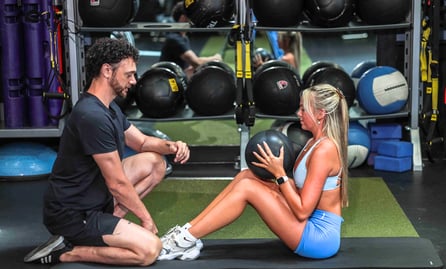
If you have never done strength training, start with the easiest and safest activities — body weight movements. These movements are the basics to know for all-around fitness: squats, lunges, push-ups, sit-ups, supermans, bridges, and planks, to name a few.
3. Get Professional Instruction
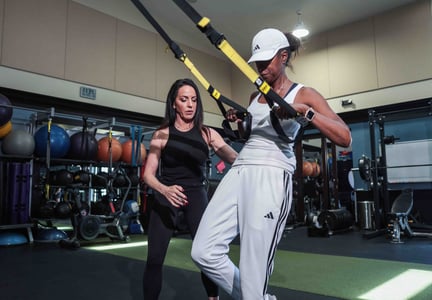
Learn how to strength train the best by working with a certified personal trainer. They can teach you techniques, programming, warm-ups, and cool-downs, taking all the guesswork out of your fitness program. The guidance of an expert is especially important when learning weight lifting. This will help you minimize injuries and optimize outcomes.
 Building strength at The Paseo Club
The Paseo Club has several options to boost your strength-training game. You can train in group exercise classes, small group training classes, with a certified personal trainer, or in the indoor and outdoor gym areas.
Choose from HIIT class, Pilates, Strength and Tone, Dynamic Strength, Strictly Strength, and more! You can always find a class that is exciting and fun for you!
Get expert guidance with a personal trainer. Trainers offer 30 or 60-minute sessions, and you can book them solo or with a friend.
If you want to learn more about The Paseo Club, schedule a tour and discover all eight acres of our grounds and facilities. Do you want to start your fitness journey with Paseo today? Simply sign up to be a member today and get instant access to all areas of the club. The Paseo Club is your home away from home. Welcome!
Topics:
